




Description
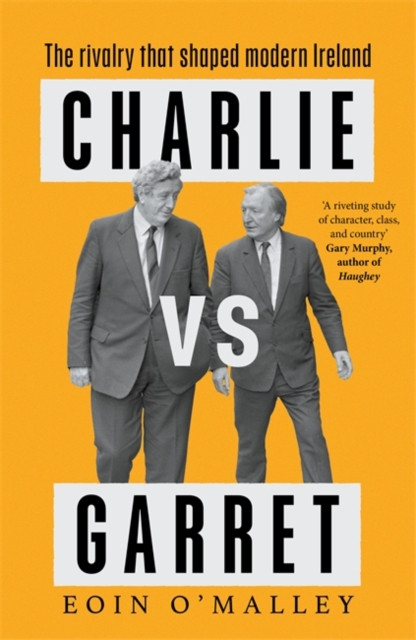
The two opposing political figures that shaped Irish life in the 1980s and beyond. In the 1980s, Irish politics was dominated by a fierce rivalry between Charles J. Haughey and Dr Garret FitzGerald, both leaders of their respective parties, Fianna Fáil and Fine Gael.
Between them they each led all Irish governments in that decade; to say their two opposing personalities shaped Irish life during this era is an understatement. Eoin O'Malley has amassed an extraordinary body of research, including in-depth interviews with dozens of the most consequential public figures of the time, every Taoiseach, cabinet ministers, TDs, civil servants, and advisers. As political rivals with different approaches to public life and contrasting visions for Ireland, each enshrined in quite different personalities, the choice between Haughey and FitzGerald came to signify a great deal more than party loyalty or policy preference: it felt like a choice between opposing worldviews.
And, as O'Malley's work finally makes clear through an accumulation of extraordinary insights, including interviews with Haughey and FitzGerald themselves, it was fed by a deep reservoir of personal insecurity and paranoia. Each was deeply preoccupied - obsessed even - with the strengths, appeal and threats of the other, to the extent that this rivalry itself became one of the decisive factors in Irish life that shaped Ireland well after they had left power.